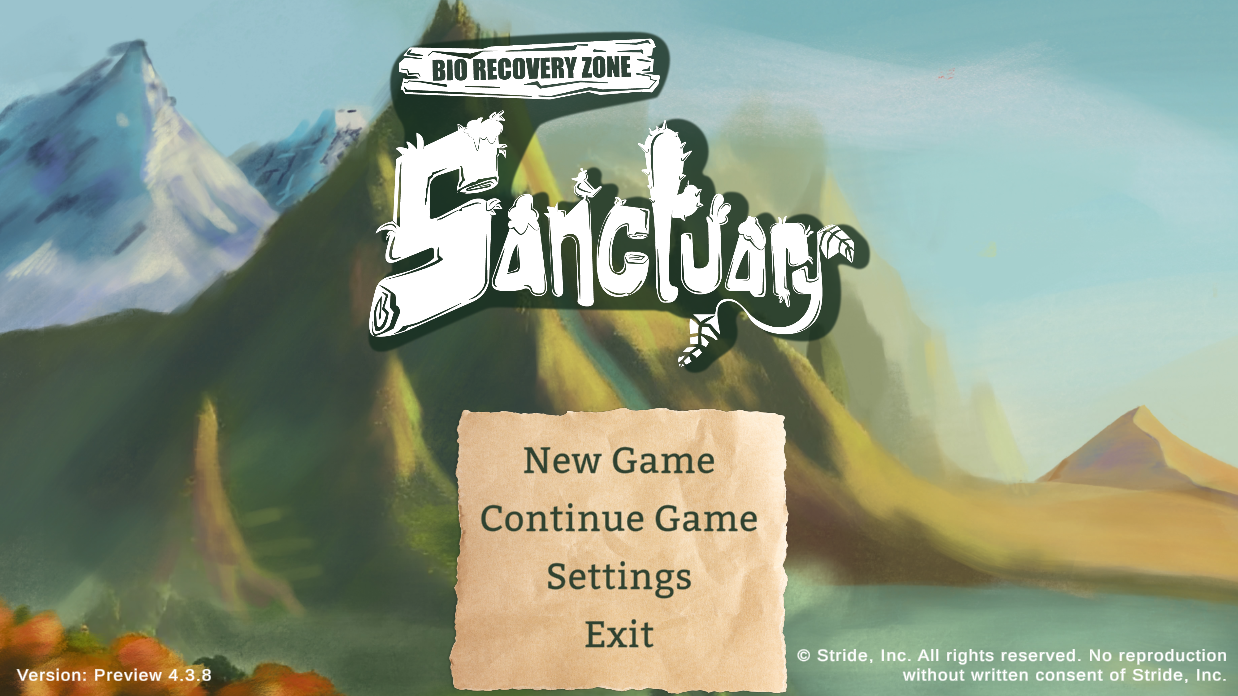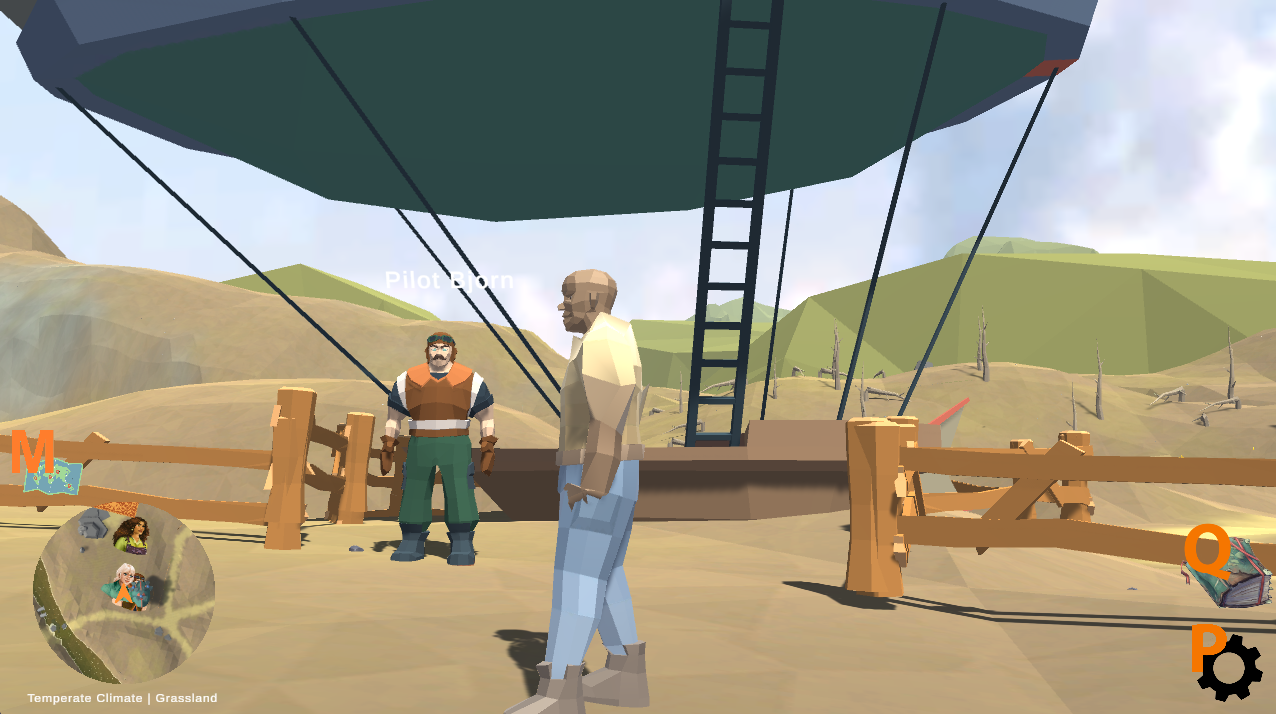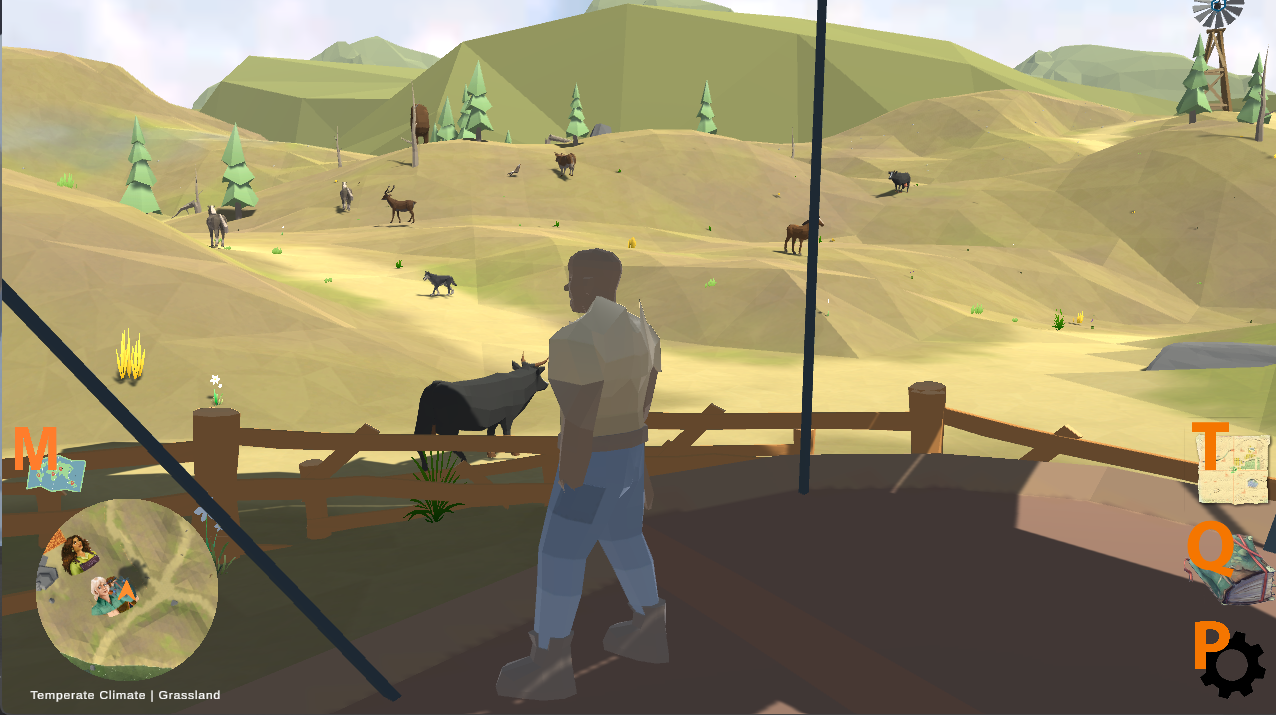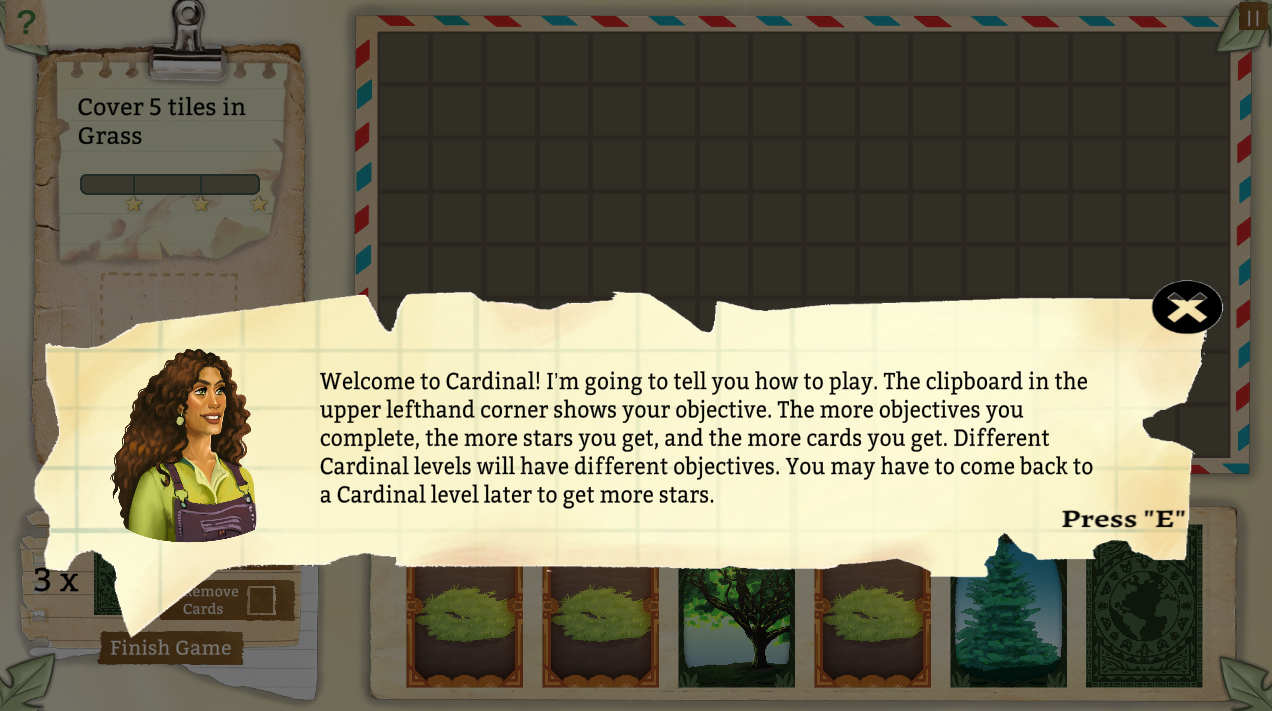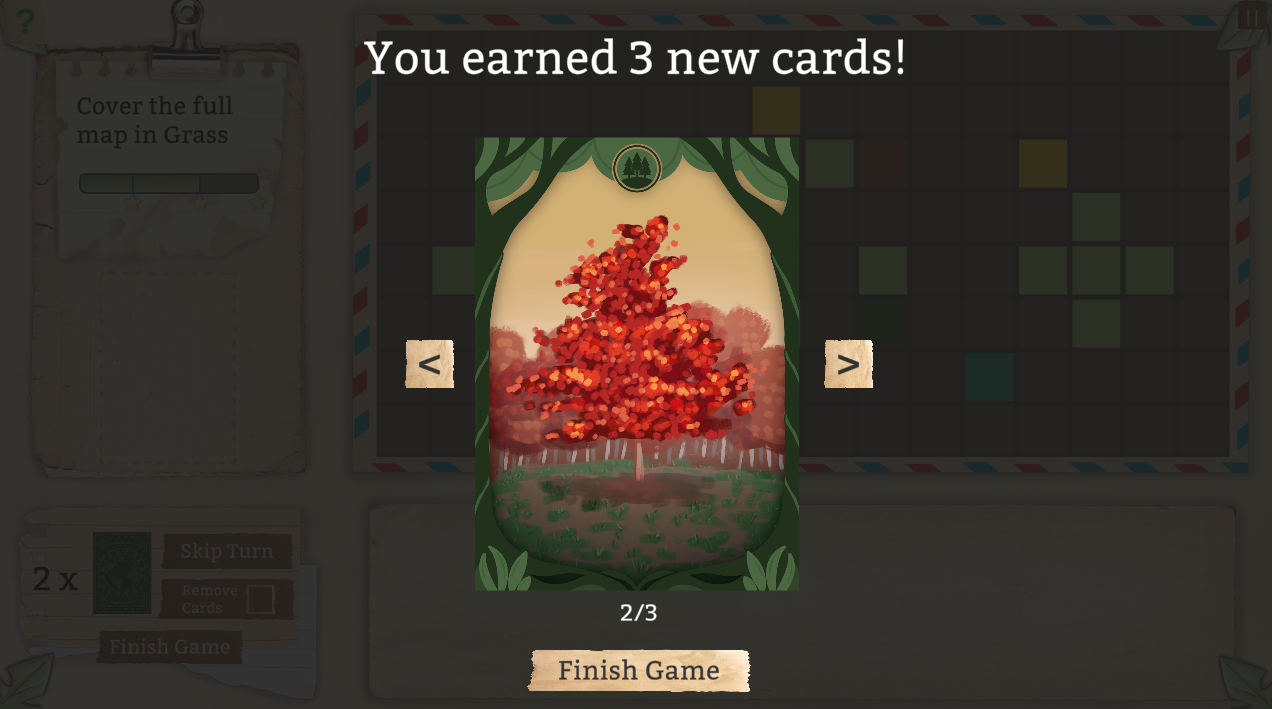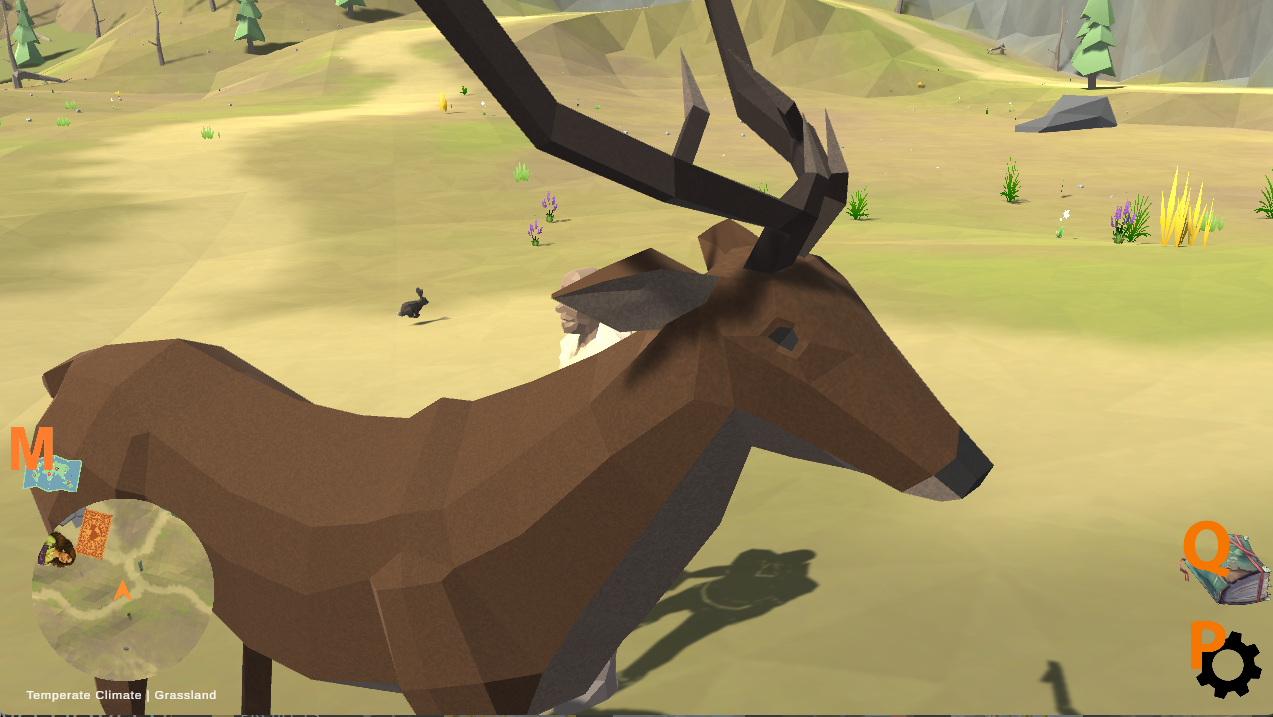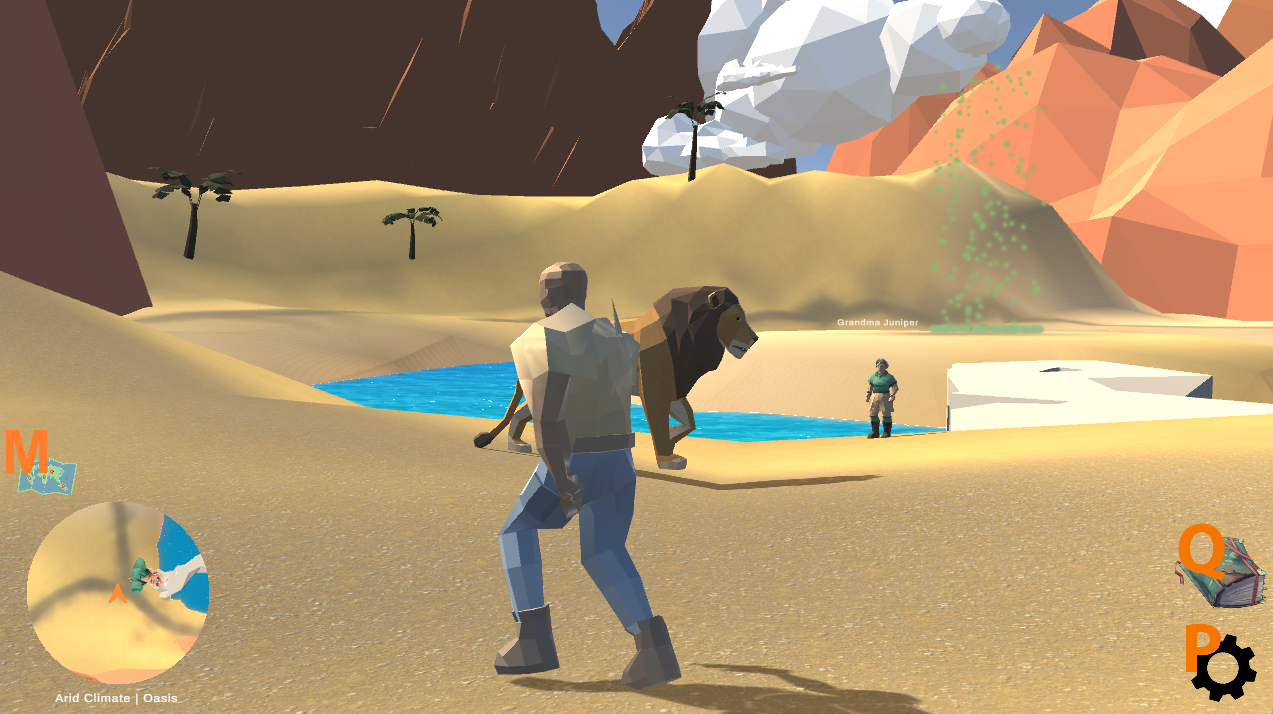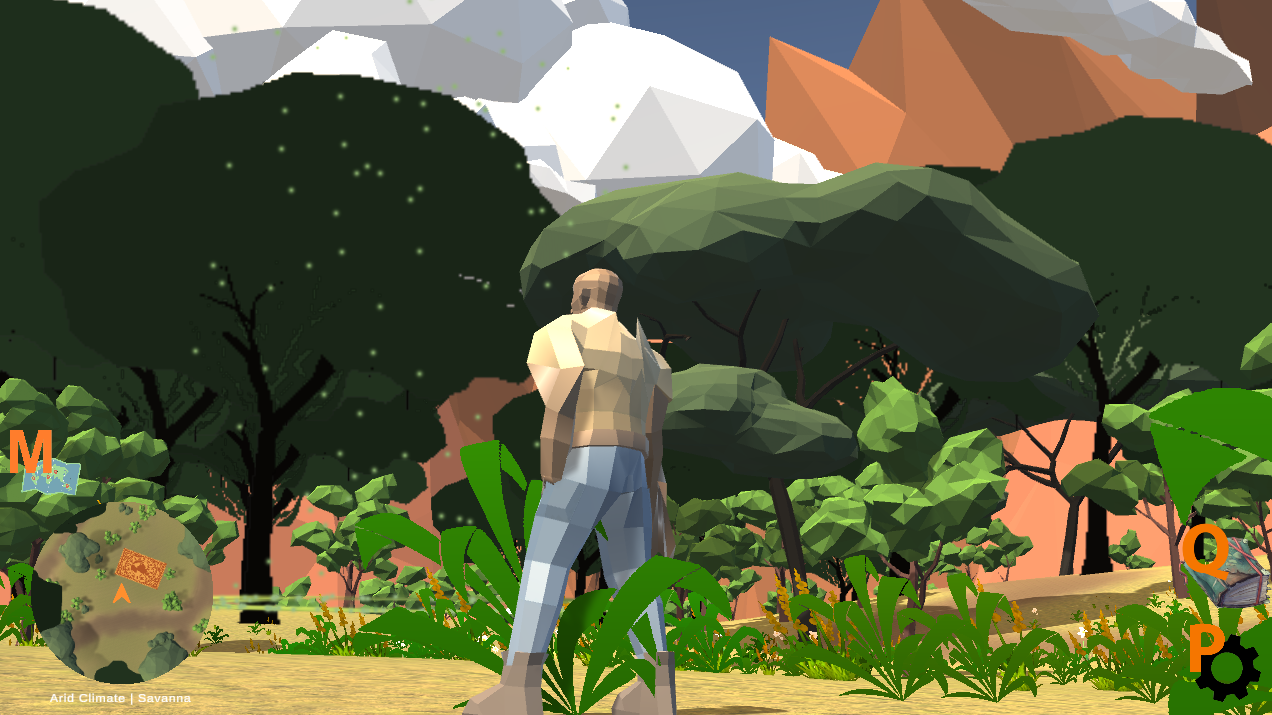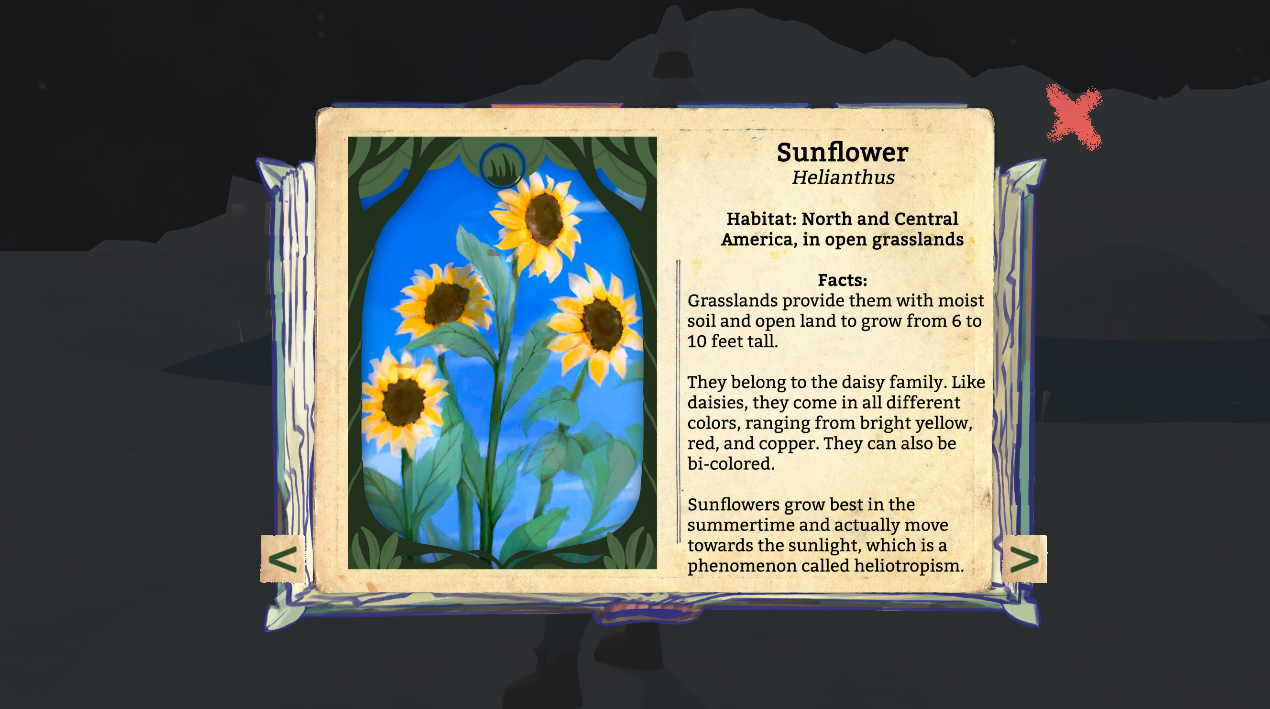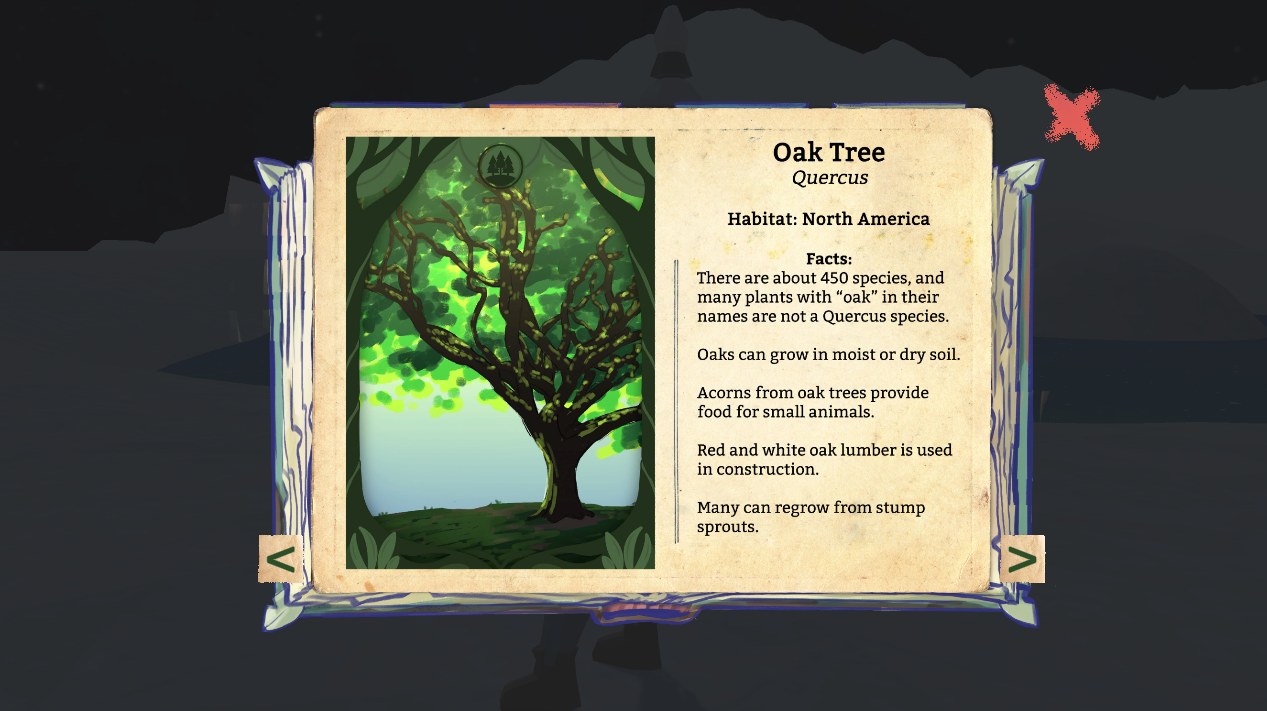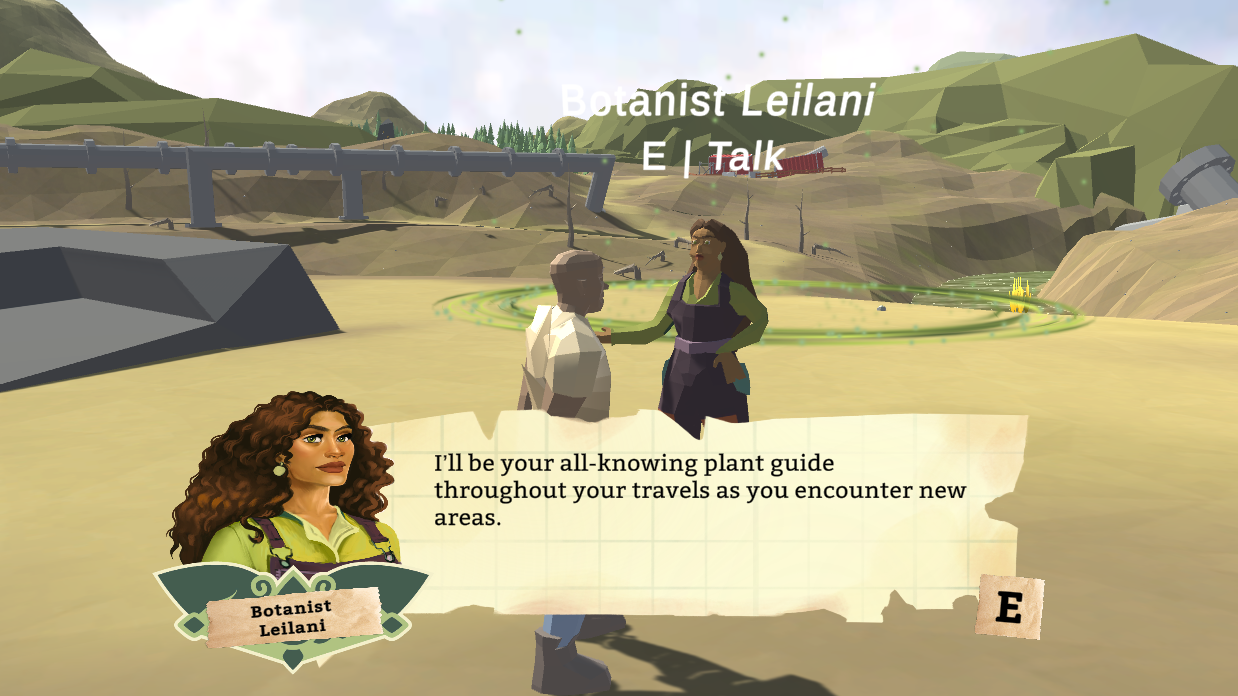
During my time at SCAD, Stride came to us with some questions in regards to developing an open world exploration game that can run entirely without a student download. (Which left us with the only option of publishing on the web.) If you’ve done work in games before, you’d know that is a challenging ask from an optimization standpoint. A team of 19 put our heads together to develop a card game that Stride could later publish as its stand-alone experience, alongside the open world exploration game we made in Unity. After the collaboration ended, they brought me on as a longer-term intern to help polish the game. At the time, the game took approximately 4 minutes to fully launch due to the intense bottleneck of having 1 GPU render an open world.
Early Development
Within my internship, I reprogrammed the internal structure of the whole game to build multiplayer support on a Stride dedicated server (which became a request down the line of development,) and I optimized the code with occlusion culling, LOD’s, and a smart loading system I developed specifically for our WebGL builds. With these changes to the core structure of the architecture, we went from launching the game in 4 minutes to 7 seconds.
Expansion Release + Overhaul
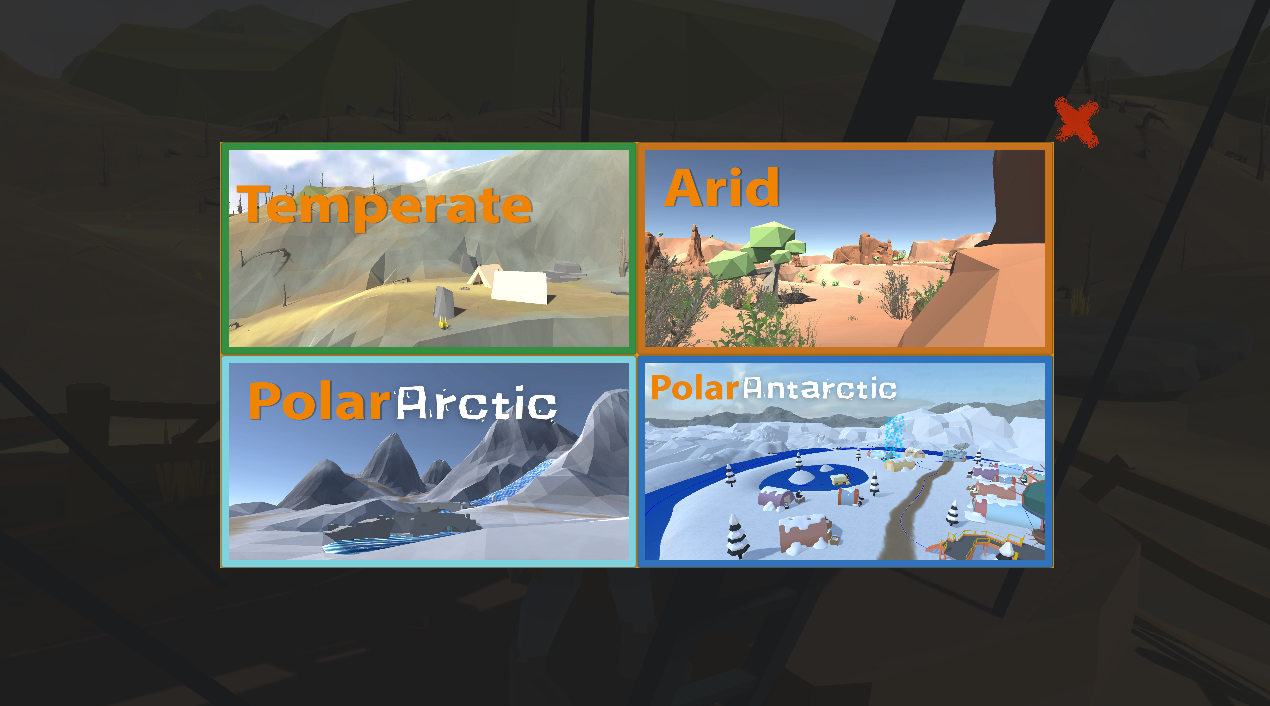
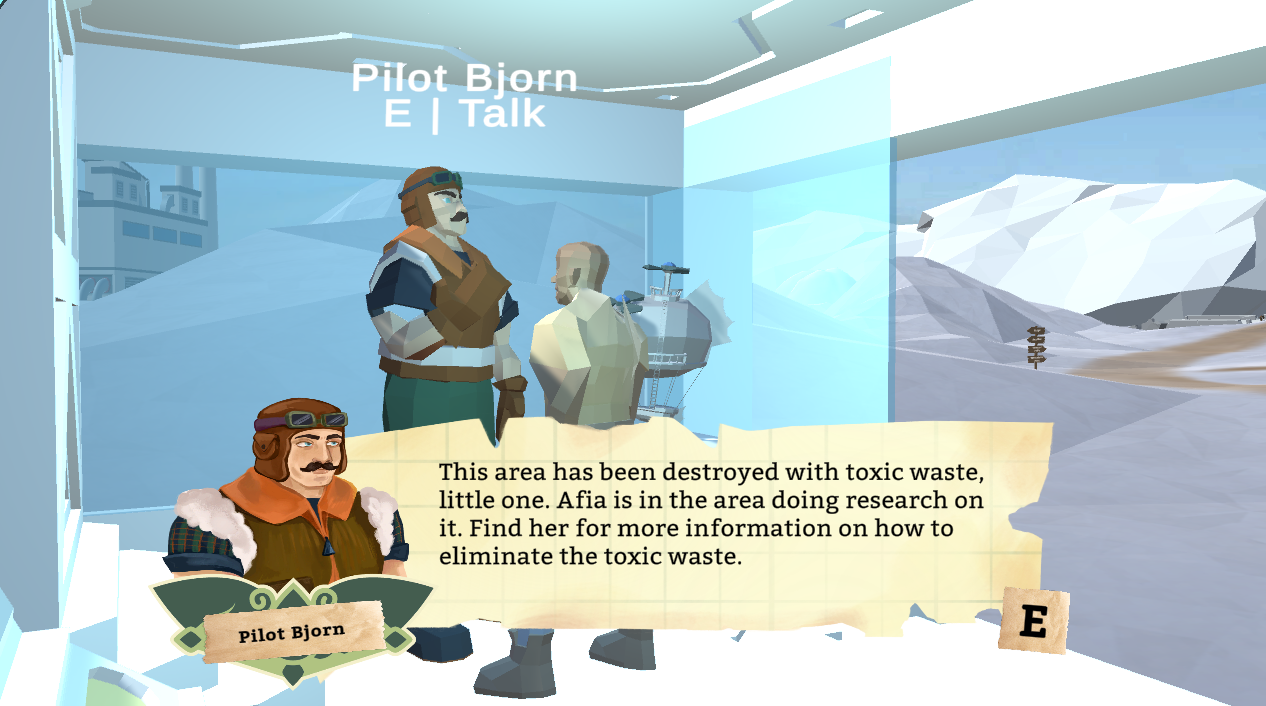
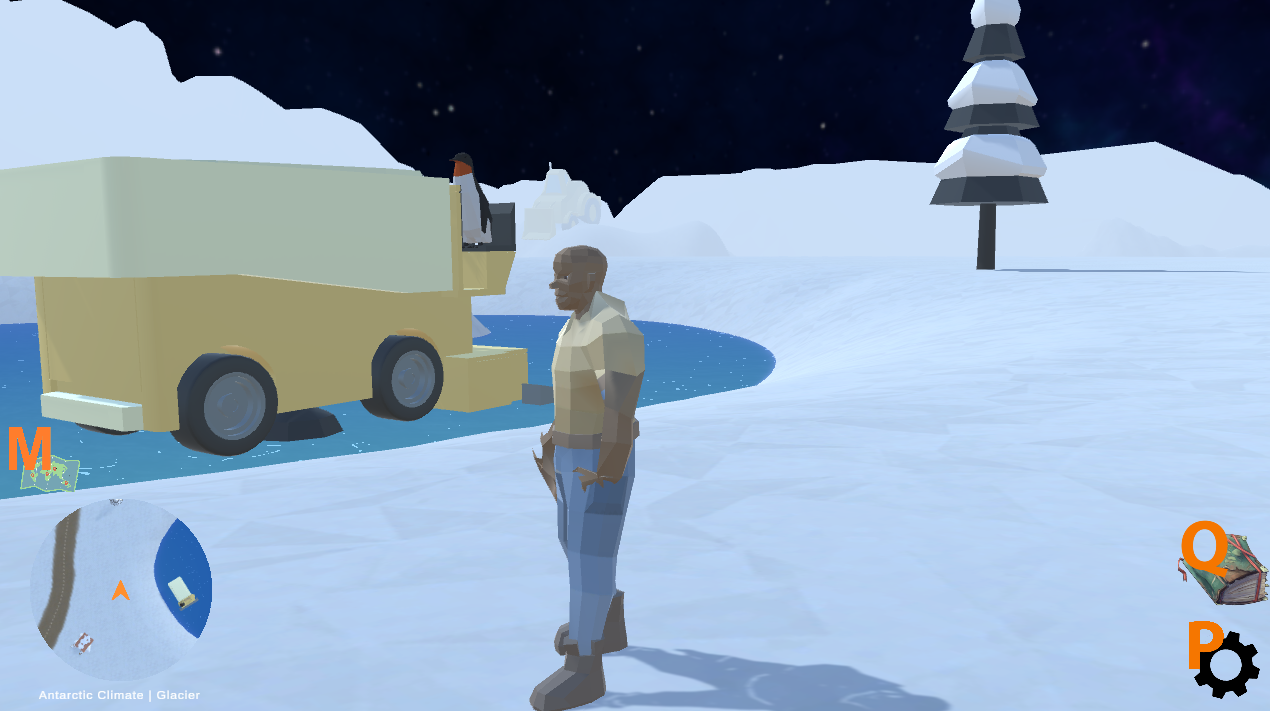
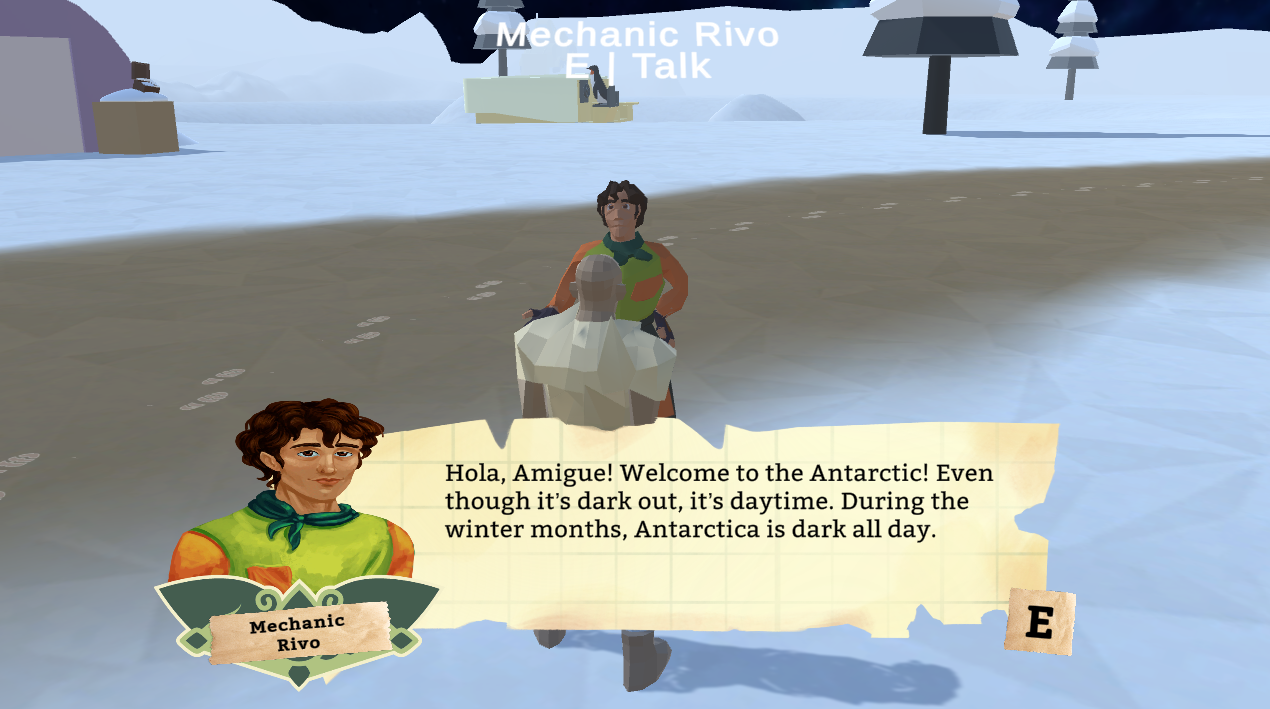
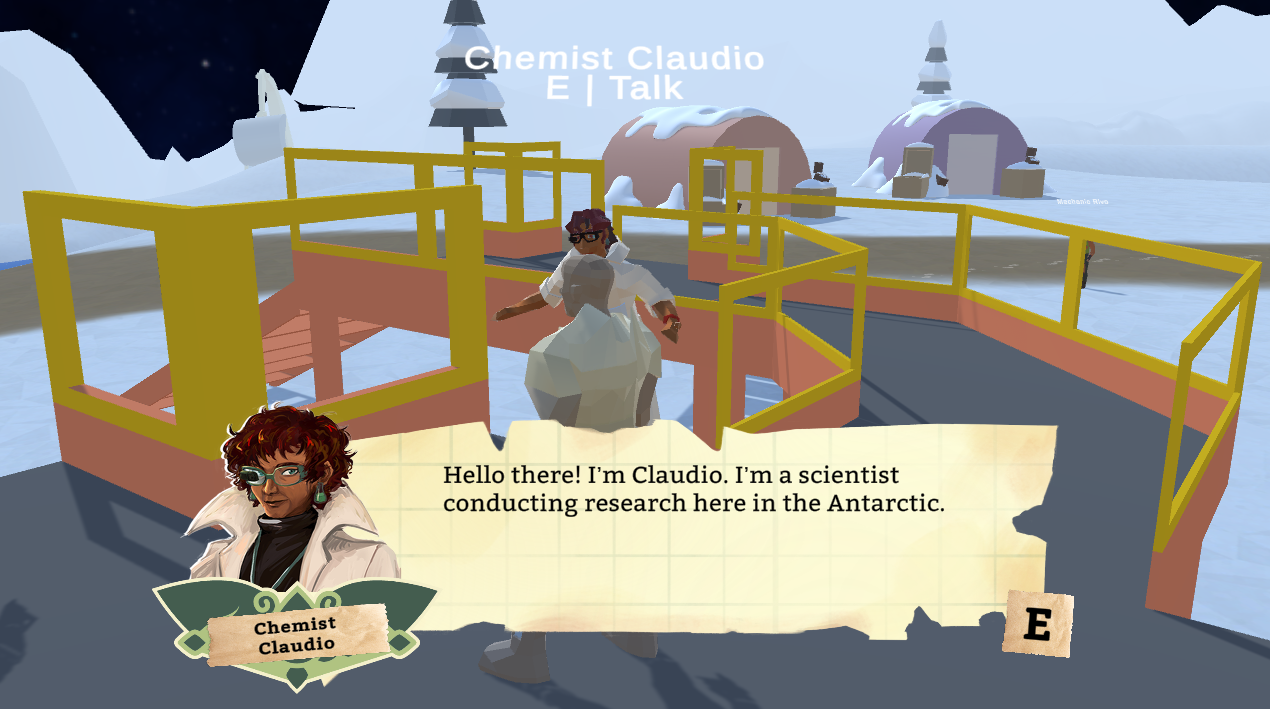
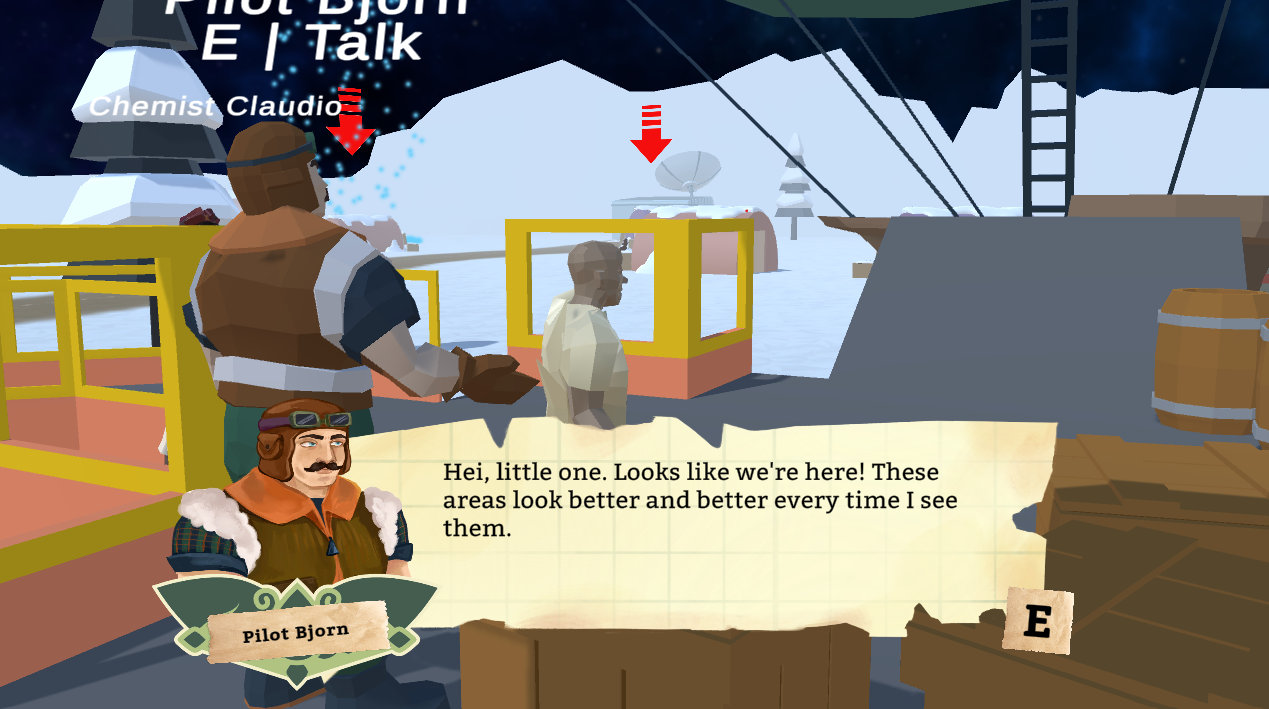
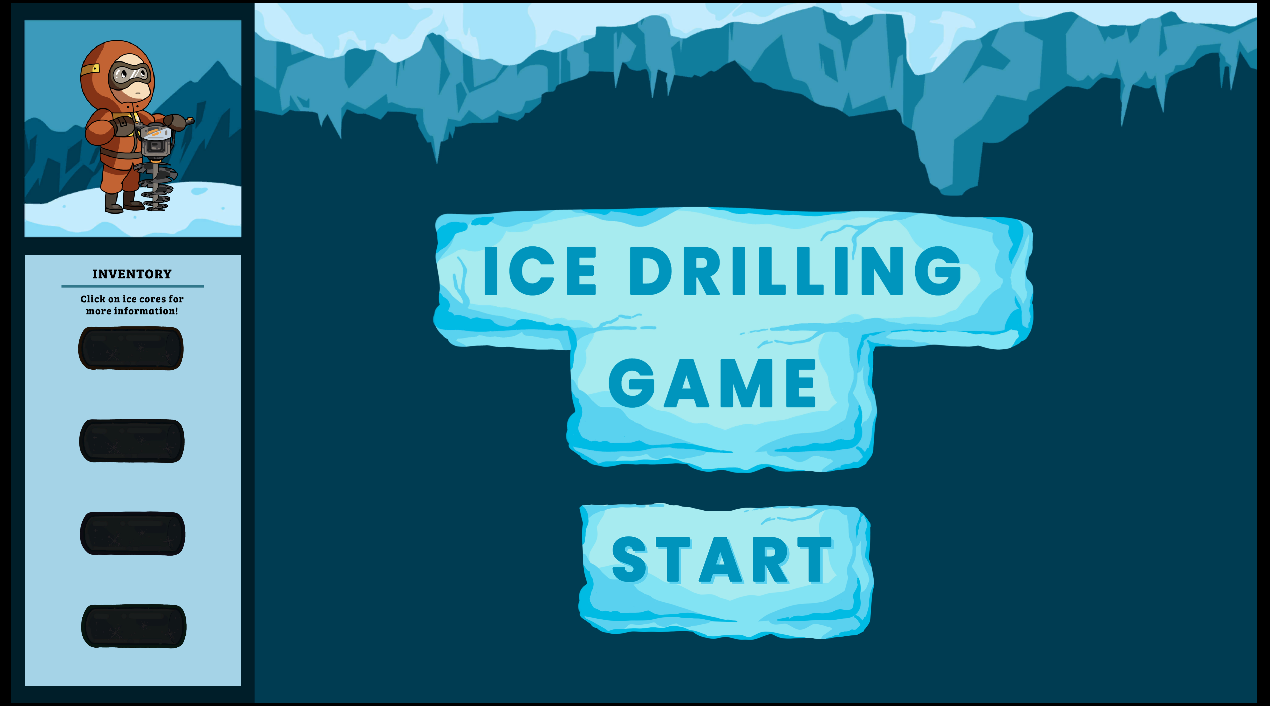
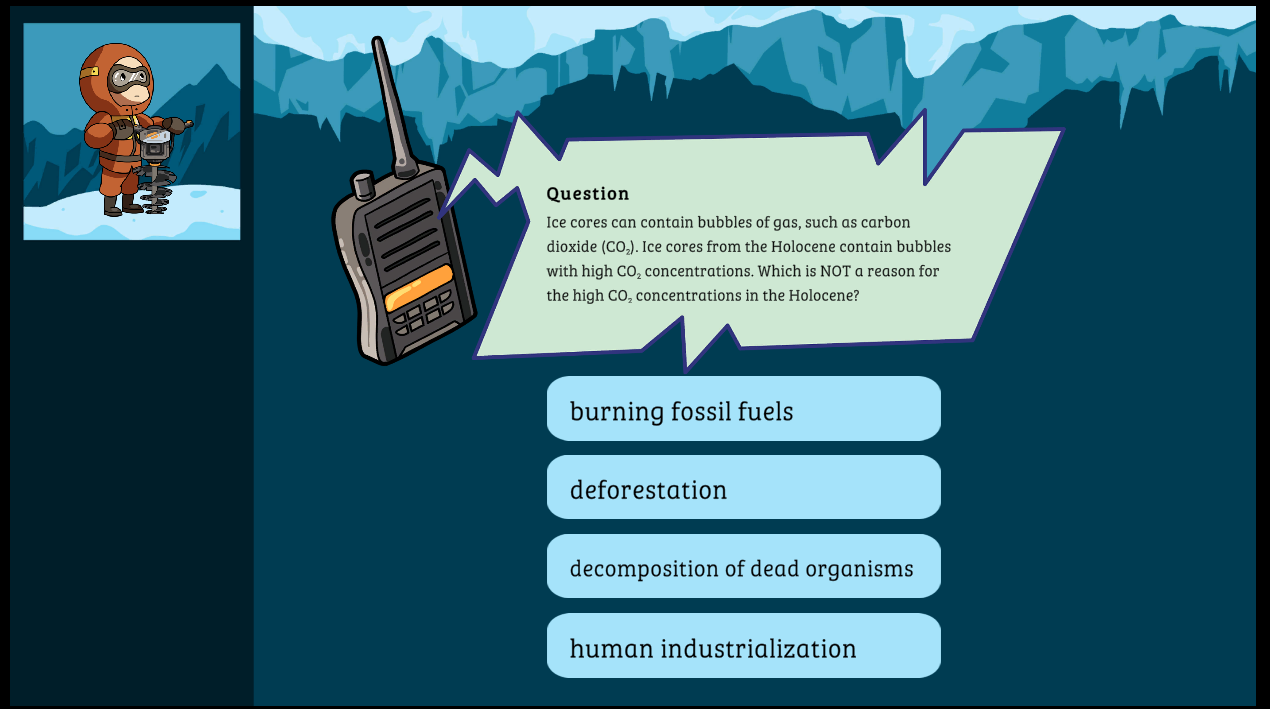
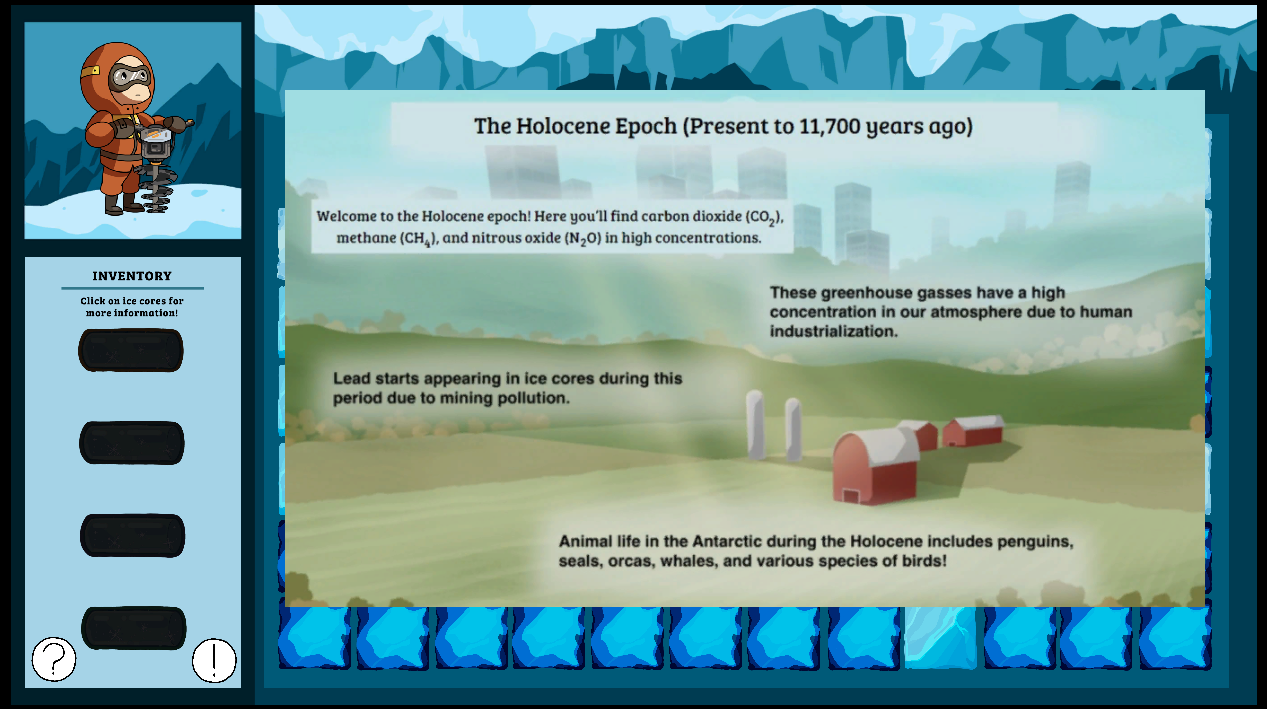
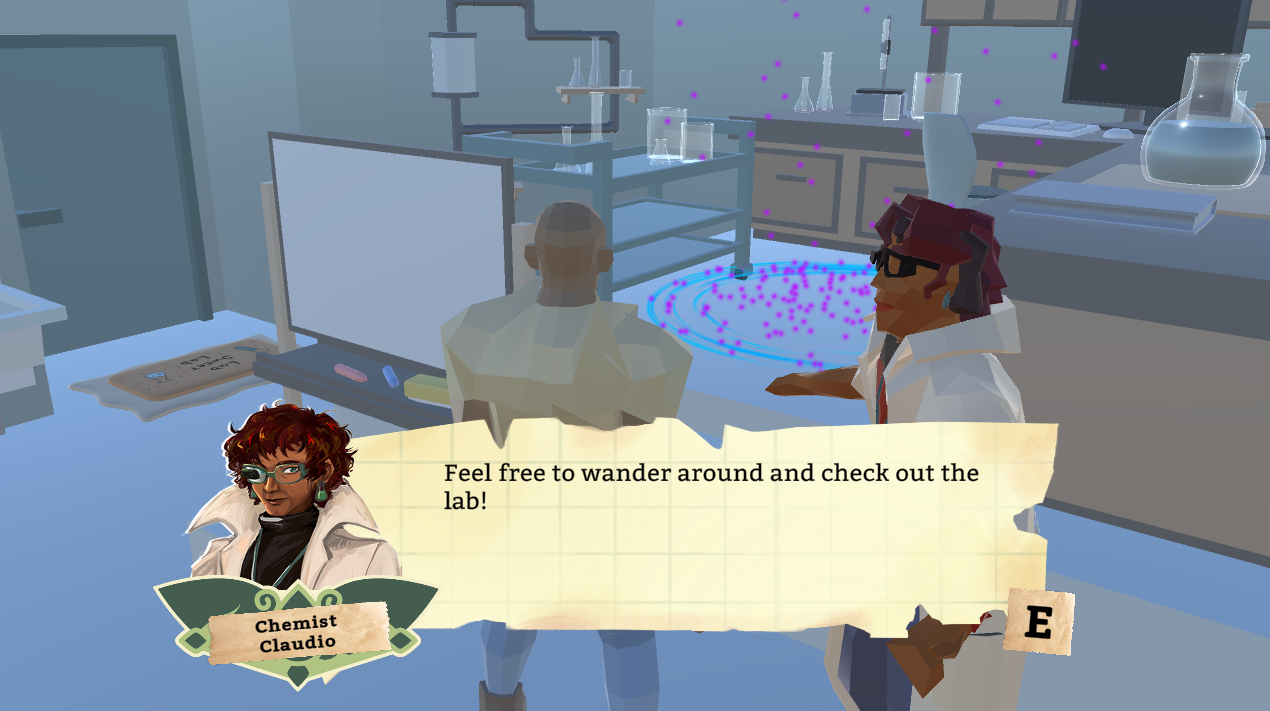
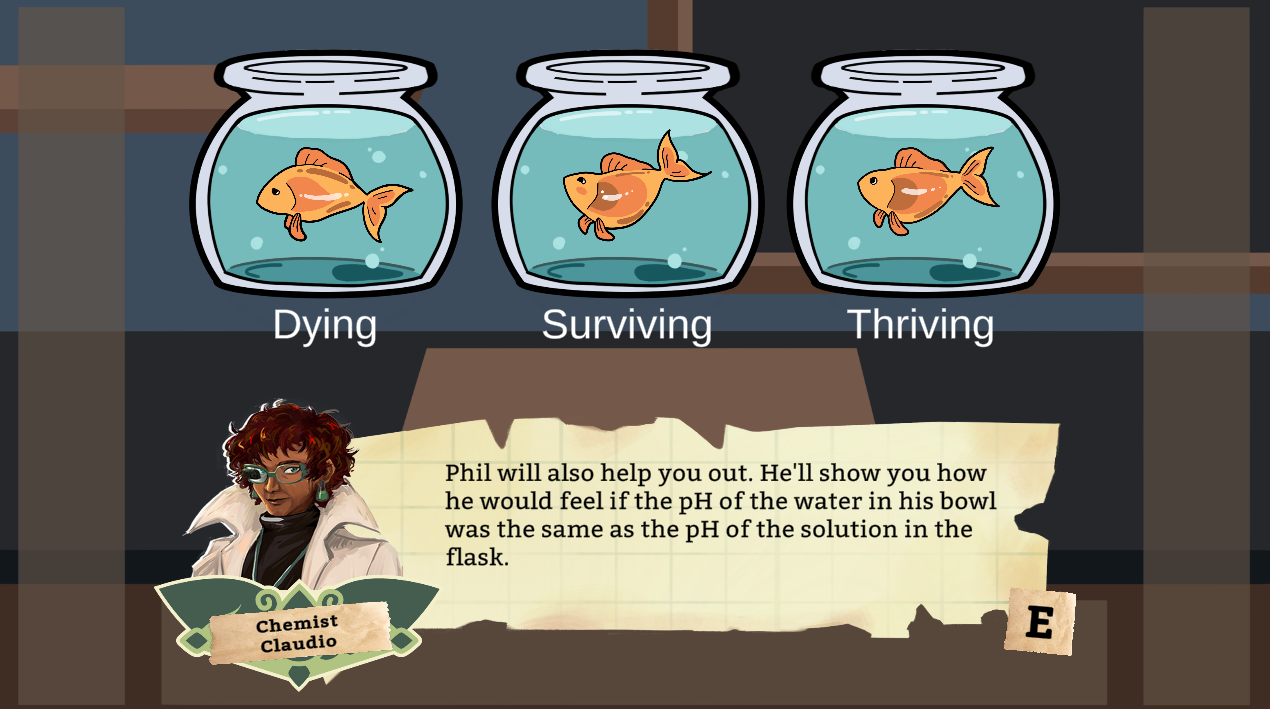
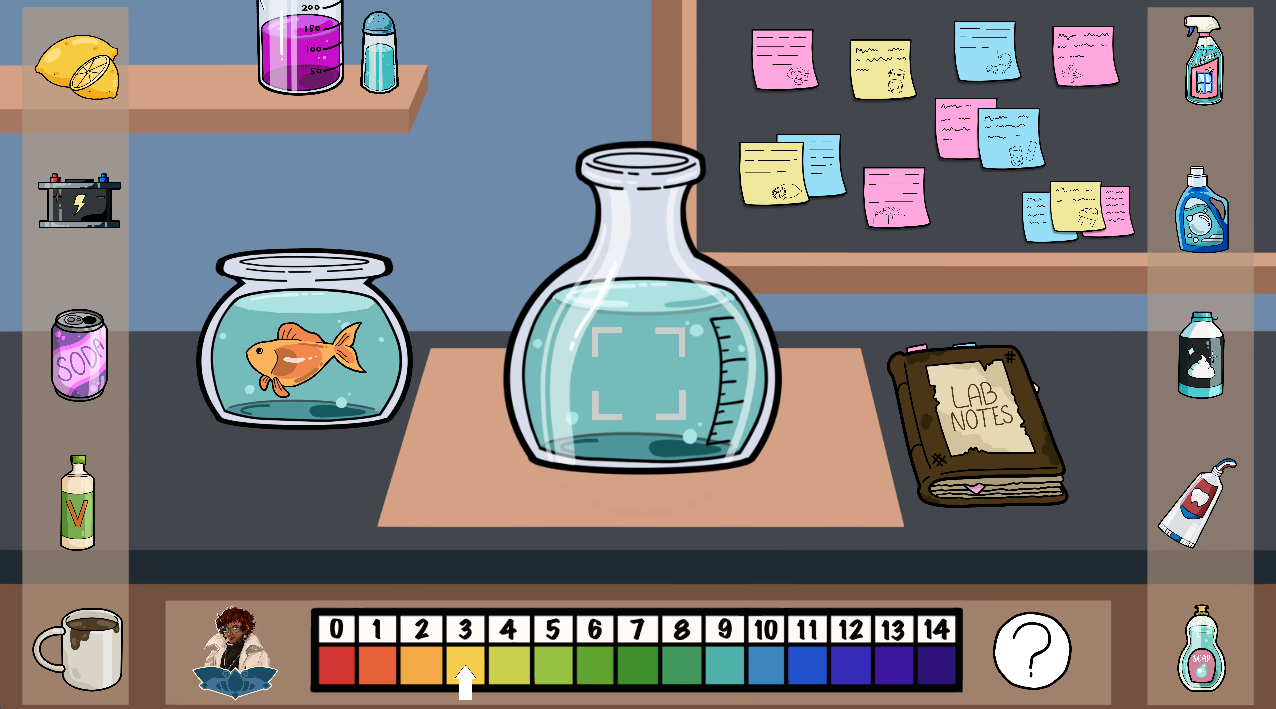
Stride gave the green light on approving the next big project for BRZ: Sanctuary — an expansion pack to add two new minigames outside of the Cardinal Card Game. These minigames would be in the antarctic zone expansion, and it would also allow us to finish the polar/arctic zone that we began working on and players could get an early access glimpse of. We added Claudio, a researcher who leaned into not only biology, but chemistry — and the intriguing world of ice drilling in the antarctic zone. A lot of players said their favorite easter egg in this world was the penguin we have riding a Zamboni.